
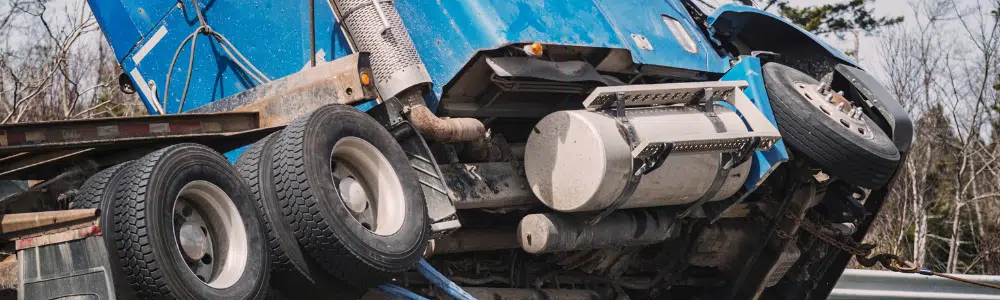
Forensic engineering is the application of engineering principles to investigate and analyse failures, accidents, and incidents, determining root cause and liability. A forensic engineer is the qualified professional who carries out this investigation, often providing expert opinion or testimony in legal proceedings.
Last updated: August 2026 | Reviewed by: Matt Gray
Forensic engineering, though unfamiliar to many, plays a pivotal role in solving complex problems, ensuring safety, and upholding accountability. This multidisciplinary field combines elements of engineering, science, and investigative techniques to investigate accidents, failures, and disputes. In this article, we will demystify forensic engineering, explore its significance, and shed light on what it’s like to work with a forensic engineer.
What Is Forensic Engineering?
Forensic engineering is the application of engineering principles to investigate and analyse failures, accidents, and incidents. Its primary goal is to determine the root causes of these events, assess liability, and provide expert testimony in legal proceedings. Forensic engineers are experts who apply their specialised knowledge to unravel the mysteries behind accidents and failures. More information on our forensic engineering services.
What Is a Forensic Engineer?
A forensic engineer is a qualified engineer who investigates failures, accidents, and incidents to determine their cause, applying engineering and scientific principles to provide independent, evidence-based conclusions. Unlike engineers who design or build, a forensic engineer’s role is to investigate after something has already gone wrong — examining evidence, testing materials, and preparing findings that can be used in legal or insurance proceedings.
The Role of Forensic Engineers
Forensic engineers are akin to investigative scientists in the engineering world. They are called upon to examine structural collapses, industrial accidents, product defects, and various other incidents. Their role involves:
- Collecting and preserving evidence at accident scenes.
- Conducting detailed investigations to determine causation.
- Applying engineering principles and analytical techniques to analyse data.
- Providing expert testimony in court to help judges and juries understand complex technical issues.
The Forensic Engineering Process
Forensic engineering follows a structured process that includes:
- Evidence Collection: Forensic engineers begin by collecting all available evidence from the scene of the incident. This can include photographs, witness statements, materials, and equipment.
- Analysis: The collected evidence is then subjected to rigorous analysis. Advanced tools and technologies, such as computer simulations and laboratory testing, may be used to recreate the conditions of the incident.
- Report Preparation: Forensic engineers compile their findings into comprehensive reports. These reports are crucial in legal proceedings, providing a clear and objective account of the investigation’s results.
How to Choose a Forensic Engineer and What It’s Like to Work with One
Selecting the right forensic engineer is crucial. Here are some factors to consider:
-
- Experience: Look for engineers with extensive experience in the specific area related to your case, whether it’s structural failures, accidents, or product defects.
- Specialisation: Ensure the engineer has expertise in the relevant field. Specialisation matters, as different cases require different skills and knowledge.
- Qualifications: Verify their qualifications, certifications, and membership in professional bodies. This demonstrates their commitment to industry standards.Working with a forensic engineer can be a collaborative and informative process. They will guide you through the investigation, explaining their findings and helping you understand the technical aspects of your case. Communication and transparency are key to a successful partnership.
Forensic Engineering vs. Traditional Engineering
Forensic engineering differs from traditional engineering in that it focuses on investigating past incidents rather than designing or building structures. Traditional engineers create, while forensic engineers analyse and diagnose.
The Impact of Forensic Engineering
Forensic engineering has a profound impact on safety and accountability. By uncovering the root causes of accidents and failures, it leads to improved regulations and standards, preventing future incidents.
The Qualifications of Forensic Engineers
Forensic engineers undergo rigorous training and education. They hold degrees in engineering disciplines and often pursue additional qualifications. Continuous learning and staying updated with industry advancements are fundamental to their practice.
Forensic engineering is an essential field that brings clarity to complex situations. It’s a blend of science and engineering, unraveling mysteries and ensuring accountability. When faced with incidents or disputes, choosing the right forensic engineer can make all the difference. They’ll not only investigate but also educate, guiding you through the technical aspects of your case.
How We Can Help You
If you require the services of a forensic engineer, or a fit for purpose engineer consider reaching out for Gilmore Engineers forensic engineering services. Our team of experts is ready to assist you in your time of need. Contact us for reliable forensic engineering services and let us help you demystify the complexities of accidents and failures
Frequently Asked Questions
1. What is forensic engineering?
Forensic engineering is the application of engineering principles to investigate and analyse failures, accidents, and incidents, determining the root cause, assessing liability, and providing expert testimony in legal proceedings.
2. What is a forensic engineer?
A forensic engineer is a qualified engineer who investigates the cause of failures and accidents, often specialising in a specific discipline such as mechanical, civil, or electrical engineering.
3. What’s the difference between forensic engineering and traditional engineering?
Traditional engineers design and build; forensic engineers investigate and diagnose what went wrong after an incident has occurred.
4. What qualifications does a forensic engineer need?
Forensic engineers hold a relevant engineering degree and often pursue additional qualifications and professional registration, such as Chartered Professional Engineer (CPEng) or Registered Professional Engineer Queensland (RPEQ) status.
5. How do I choose the right forensic engineer for my case?
Look for experience specific to your case type, specialisation in the relevant engineering discipline, and verified qualifications or professional body membership.