
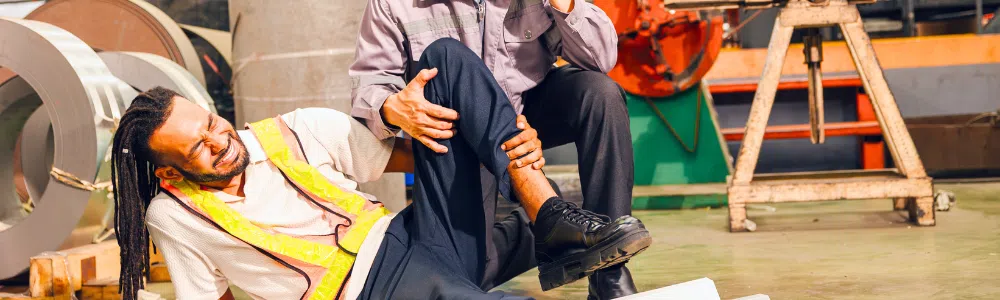
Worksafe Queensland says, ‘Workers performing tasks such as operation, maintenance, repair, installation, service and cleaning on machines in all industry sectors are highly vulnerable and have a higher risk of being seriously injured or killed through inadvertent operation of machinery and equipment they are working in, on, or around.’
Mechatronic Forensic Experts are specialists who can investigate the cause of such injuries. They are often caused by failures, accidents, or malfunctions in complex systems that integrate mechanical, electrical, and software components. The idea is to determine the root cause of an incident, often working at the intersection of product liability, engineering, and digital forensics.
Do Forensic Engineers Help with Automated Machinery Failure-caused Workplace Injuries?
What Does a Mechatronic Forensic Expert Do?
When a mechatronic engineer is brought into a case, they begin looking at what kind of injury occurred, and how – including what may be done to prevent it happening again. In their report, which can be used in court, they may go into:
- Root Cause Analysis (RCA), to determine why a machine failed. Involves examining physical evidence to distinguish between design flaws, maintenance issues, or operator error.
- Accident Reconstruction to understand the sequence of events leading to a machine incident with physics, sensor data, and video logs.
- Systems Integration Analysis to look at how different subsystems (mechanical, electrical, software) interacted at the time of failure.
- Reviewing and analyzing digital evidence like Programmable Logic Controller logs, software code, and sensor data to understand the machine’s state.
- Providing detailed reports and acting as an Expert Witness in legal proceedings. This may regard product liability, machinery failures, or industrial accidents.
When are Mechatronic Forensic Experts Needed for Automated Machinery?
When there are complex failures, accidents, or malfunctions that involve a combination of mechanical components, electrical systems, and software control, mechatronic forensic experts enter to determine the cause. They’re required when failures result in personal injury, significant property damage, or product liability disputes, often acting as independent experts for insurance companies or legal proceedings.
Scenarios may include:
1. Investigation of Accidents and Safety Failures
- Industrial Accidents: When automated systems like conveyors, cranes, forklifts, or robots cause injuries, fatalities, or damage.
- Safety System Failures: When machine guarding, interlocking, or emergency stop systems fail to prevent an accident.
- Electrocution and Fire: Investigating incidents involving high-voltage equipment, control system failures, or electrical fires.
2. Failure Analysis and Forensic Engineering
- Root Cause Analysis: Determining if a failure was due to design flaws, improper maintenance, or operator error.
- Complex System Interaction: When the breakdown is not purely mechanical, but involves a failure in the communication between sensors, software, and physical mechanisms.
- Materials Failure: Analysing damaged components to determine if the material failed due to fatigue, stress, or corrosion.
3. Legal and Commercial Disputes
- Product Liability Claims: Determining if a machine was defective or improperly designed, often involving forensic examination of components.
- Insurance Investigations: Determining if the fault lies with the manufacturer, the operator, or maintenance providers.
- Expert Testimony: Providing evidence in litigation, arbitration, or regulatory hearings.
How do Automated Machinery Injuries Happen?
Mechatronic forensics bridges the gap between mechanical and digital components, enabling an understanding of how automated systems behave in complex environments. They’ll often find injuries occur in scenarios such as:
- Entanglement and Trapping: Loose clothing, hair, or limbs can get caught in exposed rollers, belts, or gears.
- Crushing: Workers can be pinned by heavy, malfunctioning machinery, such as in conveyor belt accidents or equipment collapses.
- Amputation and Laceration: High-speed, unguarded, or broken machinery can cause severe cuts, de-gloving, or limb loss.
- Struck-by Hazards: Faulty machines may eject materials, parts, or tools at high speeds.
- Electric Shock and Burns: Defective wiring or overheating components can cause electrical injuries or thermal burns.
- Body Stressing: Malfunctioning or poorly designed tools can cause musculoskeletal strains.
Contact Gilmore Engineers
Do you have a workplace injury case that requires a mechatronic expert witness testimony? We provide investigations and reports to be used in legal cases, including compliance reports, failure analysis, and design assessments.
Contact us at Gilmore Engineers for reliable and experienced investigation.