
Last Updated: July 2026
Fit-for-purpose engineering is an approach to design and problem-solving that ensures a solution meets its intended function while accounting for sustainability, efficiency, and long-term environmental impact.
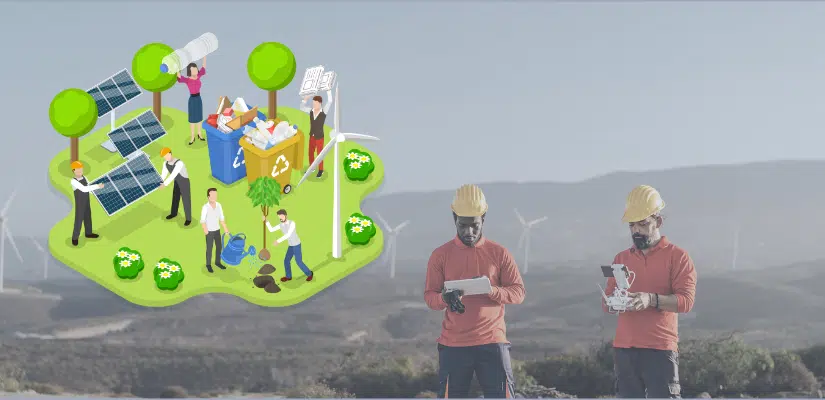
Sustainability is more than a buzzword — it’s central to how modern engineers design solutions that last. This article explores how fit-for-purpose engineering incorporates efficiency, problem-solving, renewable energy, circular economy principles, and collaboration to address today’s environmental challenges.
- Efficiency in design and implementation — optimising resources and minimising waste.
- Effective problem-solving — considering a project’s full lifecycle, from conception to decommissioning.
- Renewable energy and green technologies — integrating solar, wind, and energy-efficient systems.
- Circular economy practices — designing for reuse, recycling, and repurposing.
- Collaboration and innovation — interdisciplinary teamwork to solve complex challenges.
Fit-for-purpose engineering also has a legal dimension — when a product or design fails to meet this standard, forensic assessment may be required. See our fit-for-purpose engineer service for legal and expert witness support.
What is fit-for-purpose engineering?
- Fit-for-purpose engineering revolves around the idea of creating solutions that meet specific needs while considering the broader context of sustainability.
- It goes beyond traditional approaches by prioritising functionality, adaptability, and environmental considerations.
- This approach ensures that engineering solutions not only perform their intended functions but also contribute to long-term sustainability goals.
- At Gilmore Engineers, we provide Forensic Engineering reviews and assessments of machinery and products where legal claims have arisen over fitness for purpose.
What is the future of fit-for-purpose engineering and sustainability?
Let’s explore engineering and sustainability to understand the process and purpose behind the important role of fit-for-purpose engineers.
What is the Future of Efficiency in Design and Implementation?
At the heart of fit-for-purpose engineering lies efficiency – both in design and implementation. Engineers strive to optimise resources, minimise waste, and maximise the use of renewable materials. By adopting sustainable design principles, such as modular construction and lifecycle analysis, engineers can create solutions that reduce environmental impact without compromising on performance.
How Do Engineers Promote Effective Problem-Solving?
Fit-for-purpose engineering is about more than just efficiency; it’s about effective problem-solving. Engineers employ a holistic approach, considering the entire lifecycle of a project – from conception to decommissioning. By integrating sustainability principles into every stage of the process, engineers can identify innovative solutions that address environmental challenges while meeting project objectives.
Do Engineers Embrace Renewable Energy and Green Technologies?
One of the cornerstones of sustainable engineering is the adoption of renewable energy sources and green technologies. Engineers are at the forefront of designing and implementing solutions such as solar power, wind turbines, and energy-efficient systems. All these systems have challenges that need to be overcome to be truly energy efficient.
Can We Promote Circular Economy Practices?
Fit-for-purpose engineering embraces the principles of the circular economy – a regenerative approach that aims to minimise waste and maximise resource efficiency. Engineers design products and systems with end-of-life considerations in mind, promoting recycling, reusing, and repurposing materials wherever possible. This closed-loop approach not only reduces environmental impact but also fosters innovation and economic resilience.
How Fit-For-Purpose Engineers Boost Collaboration and Innovation
Sustainability requires collaboration and innovation across disciplines. Fit-for-purpose engineering encourages interdisciplinary collaboration, bringing together experts from various fields to tackle complex challenges. By fostering a culture of innovation and knowledge-sharing, engineers can develop groundbreaking solutions that push the boundaries of sustainability.
Need Help With a Fit for Purpose Legal Claim?
If a machine, product, or piece of equipment has failed to perform as intended and a legal claim has arisen, our team provides independent fit for purpose engineering assessments and expert witness reports for lawyers, insurers, and businesses across Australia.
Need a fit for purpose engineer for a legal matter or product dispute? Visit our Fit For Purpose Engineer service page for expert witness assessments and reports.
Sustainable engineering solutions are essential for addressing the pressing environmental challenges we face today. Fit-for-purpose engineering offers a pathway towards sustainability by prioritising efficiency, effectiveness, and innovation in every solution. By embracing sustainable design principles, harnessing renewable energy, promoting circular economy practices, and fostering collaboration and innovation, engineers can create a more sustainable future for generations to come.
As we continue to confront global environmental challenges, the role of fit-for-purpose engineering in driving sustainability will only grow in importance. By championing sustainable engineering solutions, engineers can make a significant impact in building a more resilient and sustainable world.
If you’re a loss adjuster or lawyer in need of an expert witness in Australia to assist with your case, Contact Us at Gilmore Engineers, a trusted mechanical engineering consulting and expert witness company, to discuss your situation and discover how we can help.
Frequently Asked Questions
Does sustainable design cost more?
While upfront costs for green materials can be higher, sustainable engineering often reduces long-term operational costs, lowers utility bills, decreases waste management expenses, and avoids future regulatory fines.
Why use contract engineers for sustainability?
Contract engineers provide specialised, niche skills that may not exist in-house, enabling faster, more innovative, and compliant projects.
How do Fit for Purpose engineers handle regulatory compliance?
They ensure compliance with tightening environmental laws and government procurement policies by documenting sustainability metrics, such as carbon footprint, throughout the project.